How do applications evolve? What is the purpose of it and how should it be done?
Concepts:
- How do applications evolve?
- Changes are made to the application's functionality, architecture, and design to keep it relevant and effective in today's fast-paced digital landscape.
- Evolving applications have to maintain backward compatibility, manage technical debt, and ensure data integrity.
- What is the purpose of application evolution?
- The purpose of modifying existing software applications are to meet changing user needs, technological advancements, and market trends.
- It ensures that software applications remain useful and competitive over time.
- What are best practices for application evolution?
- Using agile methodology, which involves breaking down development into smaller chunks.
- Conducting regular code reviews ensures the code is written according to established standards and best practices.
Application:
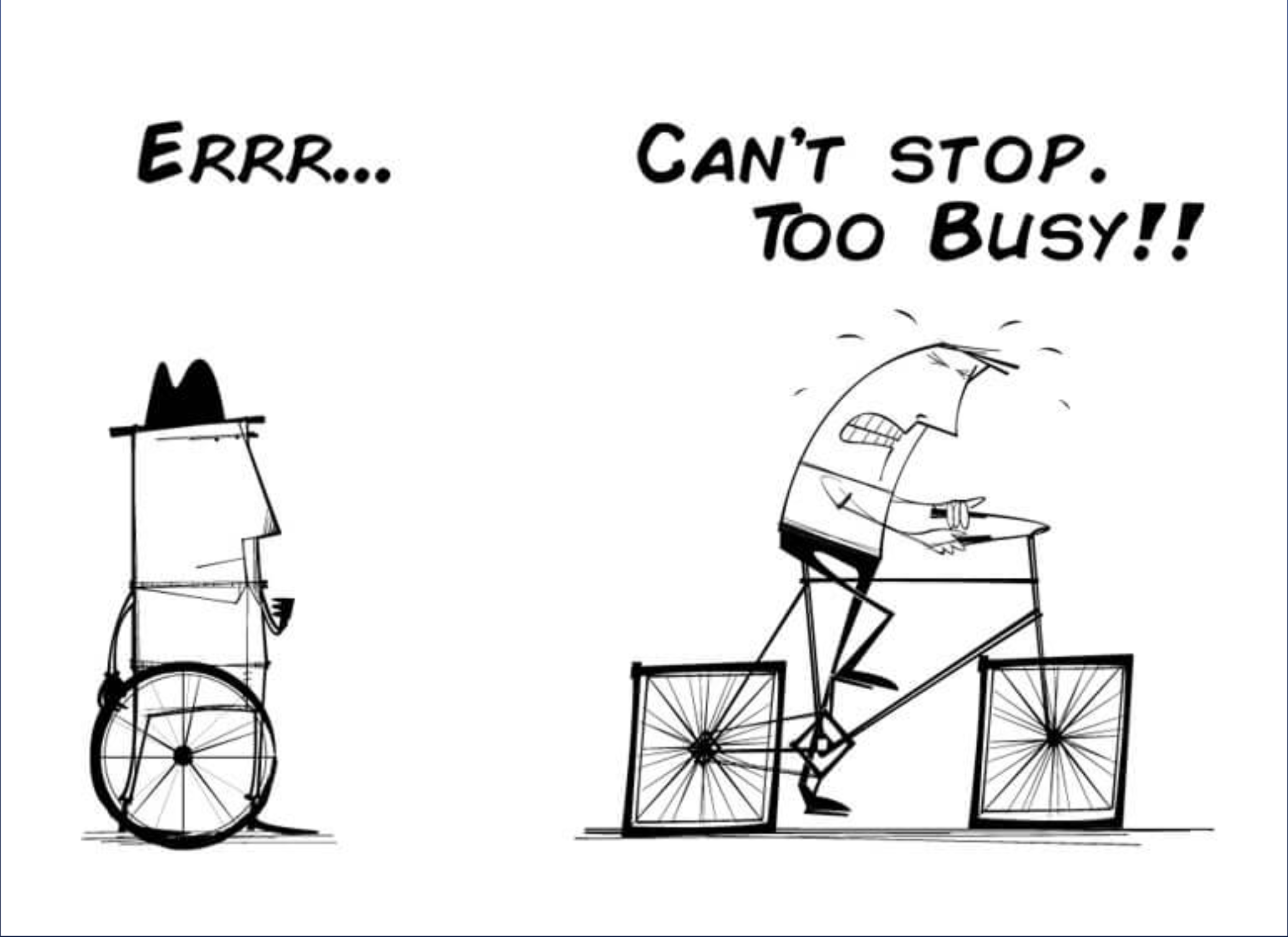
This is a basic example of why application evolution occurs. In this example, the evolution was changing bicycle wheels from square to circle, making the driving smoother, faster, and needing less effort.
Quiz:
Question 1: What is application evolution?
The process of modifying an existing software application to meet changing user needs, technological advancements, and market trends.
Question 2: What are challenges in application evolution?
Maintaining backward compatibility, technical debt, and data integrity.
Question 3: What are the best practices for application evolution?
Using agile methodologies and conducting regular code reviews.